
Why is my AC Blowing Warm Air? (9 Common Causes)

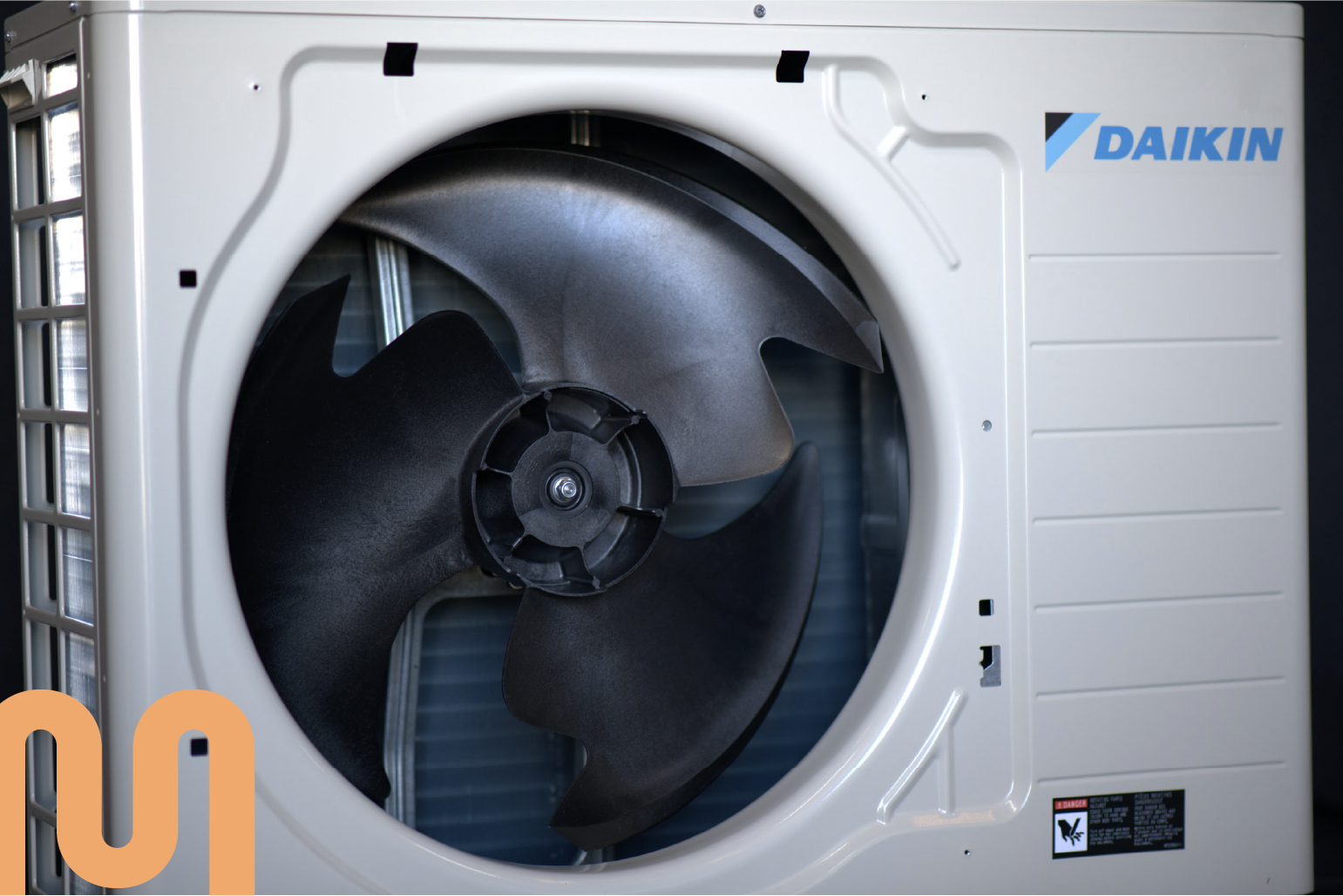
If your AC is blowing warm air, it’s usually one of three things
- Thermostat / airflow issue (settings, dirty filter, blocked vents/returns)
- Outdoor unit problem (breaker tripped, debris, failed capacitor/contactor)
- System performance issue (frozen coil, low refrigerant from a leak, drain safety switch triggered)
Fast triage (safe checks):
- Confirm thermostat is set to COOL and fan to AUTO
- Check/replace the air filter if it’s dirty
- Make sure the outdoor unit is running and clear of debris
- If you see ice or heavy frost, turn the system OFF and let it thaw
If the system still won’t cool after the quick checks, book service — warm air problems usually get worse in heat and humidity.
Schedule AC service with Mechollage and get your cooling back fast.
Check for Common AC Issues
Not always an emergency:
- Warm air for the first 1–2 minutes on startup can be normal as the system ramps up.
Usually a real issue
- Warm air that persists 15+ minutes
- Indoor humidity climbing even while the AC is “running”
- The outdoor unit isn’t running while the indoor fan is blowing
A very common scenario is the indoor fan runs, but the outdoor condenser isn’t (breaker/capacitor/contactor). So you feel “air,” but you’re not actually getting cooling.
Try These Methods First And See If It Fixes AC Blowing Warm Air
Try these safe checks in order. Many warm-air calls get solved right here.
- Thermostat: Set to COOL, setpoint 3–5° below the current indoor temp, and fan on AUTO (not ON).
- Filter: If it’s dirty, replace it. Restricted airflow is a top culprit — and ENERGY STAR notes dirty filters slow airflow and make the system work harder.
- Outdoor unit: Confirm it’s running. Clear leaves/grass clippings and make sure nothing is blocking airflow around it.
- Breakers: Check if the AC/condensing unit breaker tripped. Reset once only. If it trips again, stop and call a pro.
- Ice: If you see ice on the indoor coil or copper line, turn cooling OFF and let it thaw completely.
Tip: If the indoor fan is blowing but the outdoor unit is silent, you’re usually looking at a power/electrical issue outside — not “low cooling power” inside.
The 9 Most Common Causes (and What to Do)
Each cause below includes what it looks like, what you can safely check, and when it’s time to call a pro.
Cause 1 — Thermostat settings (COOL vs HEAT / Fan “ON”)
What it looks like: Air is moving, but it never gets cold.
What you can safely check: Confirm COOL mode, fan on AUTO, and replace thermostat batteries if needed.
Example: Fan set to ON can keep pushing room-temperature air between cooling cycles, which feels “warm” even if the system is technically working.
Cause 2 — Dirty air filter restricting airflow
What it looks like: Weak airflow, longer runtimes, rooms not cooling evenly.
What you can safely check: Replace the filter if it looks dirty. ENERGY STAR recommends checking filters regularly because restricted airflow makes the system work harder.
Why it matters: Restricted airflow can reduce cooling and can contribute to coil icing over time.
Cause 3 — Frozen evaporator coil (often airflow-related)
What it looks like: Ice on the copper line or indoor coil; airflow gets weaker over time.
What you can safely do: Turn cooling OFF and let it thaw completely. Setting the fan to ON can help melt the ice faster.
When to call a pro: If it freezes again after thawing — it may be a deeper airflow issue (dirty coil/blower/duct restriction) or refrigerant-related.
Research context: The Department of Energy notes coils can collect dirt over time, even with a clean filter, which impacts airflow and heat transfer.
Cause 4 — Tripped breaker / outdoor unit not receiving power
What it looks like: Indoor fan runs, outdoor unit is silent.
What you can safely check: Check the breaker panel. Reset once. If it trips again, stop resetting and call a pro.
Example: A failing capacitor or electrical problem can trip a breaker repeatedly — resetting doesn’t fix the cause.
Cause 5 — Condensate drain issue / safety switch triggered
What it looks like: AC “runs” but won’t cool, or shuts off unexpectedly.
Why it happens: In humid weather, your system removes a lot of moisture. If the drain clogs, some systems shut down cooling to prevent water damage.
Research context: ENERGY STAR includes condensate drain inspection/cleaning as a key maintenance item.
Cause 6 — Dirty outdoor condenser coil / blocked airflow outside
What it looks like: Outdoor unit runs but struggles; warm air indoors; higher bills.
What you can safely check: Clear debris and keep space around the unit. Avoid pressure-washing the fins (it can bend/damage them).
Why it matters: Dirty coils reduce cooling ability and increase run times. ENERGY STAR lists coil cleaning as part of a typical professional check-up.
Cause 7 — Low refrigerant (usually from a leak)
What it looks like: Weak cooling, longer runtimes, and sometimes icing.
Important: Refrigerant doesn’t “get used up.” Low charge typically means a leak that needs to be found and repaired.
Safety/legal context: Refrigerant handling is regulated. EPA Section 608 rules require certified handling, and venting refrigerant is prohibited during service/repair.
Cause 8 — Capacitor/contactor failure (common in peak season)
What it looks like: Outdoor unit hums/clicks, starts and stops, or won’t start.
When to call a pro: Electrical components are not a DIY area for most homeowners.
Example: “It worked yesterday, today it’s warm” is a classic capacitor/contactor symptom during heat waves.
Cause 9 — Blower/duct airflow issues (leaks, collapsed duct, blocked return)
What it looks like: Some rooms warm, some cool; weak airflow; whistling; longer run times.
What you can safely check: Make sure return vents aren’t blocked by furniture/rugs, and supply vents are open.
The Department of Energy highlights airflow problems and equipment issues as common AC trouble areas. See DOE’s common air conditioner problems guide.
Checklist when Trying to Fix AC Blowing Warm Air
If you want the fastest path to a diagnosis, start here.
When to Stop Troubleshooting and Call a HVAC Pro
Here are the red flags where it’s better (and safer) to stop DIY checks:
- Breaker trips more than once
- Ice keeps coming back after thawing
- You suspect refrigerant issues (leak/low charge)
- Burning smell, buzzing, sparking, or electrical arcing sounds
- Water overflow or visible leak risk
Refrigerant handling is regulated, and certified service is required in many cases. EPA Section 608 guidance explains why refrigerant service is not a DIY fix.
Need help now? Get AC repair in Virginia Beach from Mechollage.
How to Prevent Warm-Air AC Problems
Most warm-air problems show up after weeks or months of small issues stacking up: dirty filters, dirty coils, drain issues, and electrical wear.
- Check filters monthly and replace when dirty (ENERGY STAR filter guidance)
- Keep the outdoor unit clear and unobstructed
- Schedule seasonal tune-ups (spring + fall)
- Remember: even with clean filters, DOE notes coils can still collect dirt and reduce performance
Follow the HVAC maintenance schedule that prevents surprise breakdowns.
More Frequently Asked Questions
Why is my AC blowing warm air but the fan is running?
Because the indoor fan can still blow air even if the outdoor unit isn’t cooling (breaker, capacitor/contactor, or thermostat setting). You’ll feel airflow, but not cold air.
Can a dirty air filter cause warm air?
Yes. Restricted airflow reduces cooling and can contribute to coil freezing. ENERGY STAR notes dirty filters slow airflow and make the system work harder.
Should I turn my AC off if it’s frozen?
Yes. Turn cooling OFF and let it thaw completely. If it freezes again, you likely have an airflow or refrigerant-related issue that needs a technician. DOE maintenance guidance covers coil performance and common causes.
Can I just “add refrigerant” if it’s not cooling?
Usually no. Low refrigerant typically means a leak. Refrigerant handling is regulated, and venting is prohibited during service/repair. EPA Section 608 rules explain why certified service is required.
Warm air is one of those issues that’s often simple (settings/filter), but sometimes it’s an early sign the system is about to fail under peak demand. If the quick checks don’t fix it — or you see ice, water, or repeated breaker trips — book service so you don’t get stuck without cooling when it matters most
Want fewer breakdowns this summer? Explore M Membership maintenance plans from Mechollage.