
How Do Heat Pump Systems Work?

If you have been wrestling with uneven room temperatures, rising utility bills, or an aging furnace, a heat pump might be the upgrade that solves all three. Here is a clear, no-jargon guide from the team at Mechollage to help you decide if a heat pump fits your home and budget.
What Is A Heat Pump?
A heat pump is an all‑in‑one heating and cooling system that moves heat rather than creating it. In winter it gathers heat from outside air and brings it indoors. In summer it pulls heat out of your home to keep you cool. Because it relocates heat instead of burning fuel or using electric resistance, it can be very efficient.
Common heat pump styles include traditional air‑source systems that connect to ductwork, ductless mini‑splits for rooms without ducts, dual‑fuel setups that pair a heat pump with a furnace for flexible performance, and geothermal systems that draw on stable ground temperatures. If you are just starting to explore options, our quick overview on heat pumps is a helpful next stop.
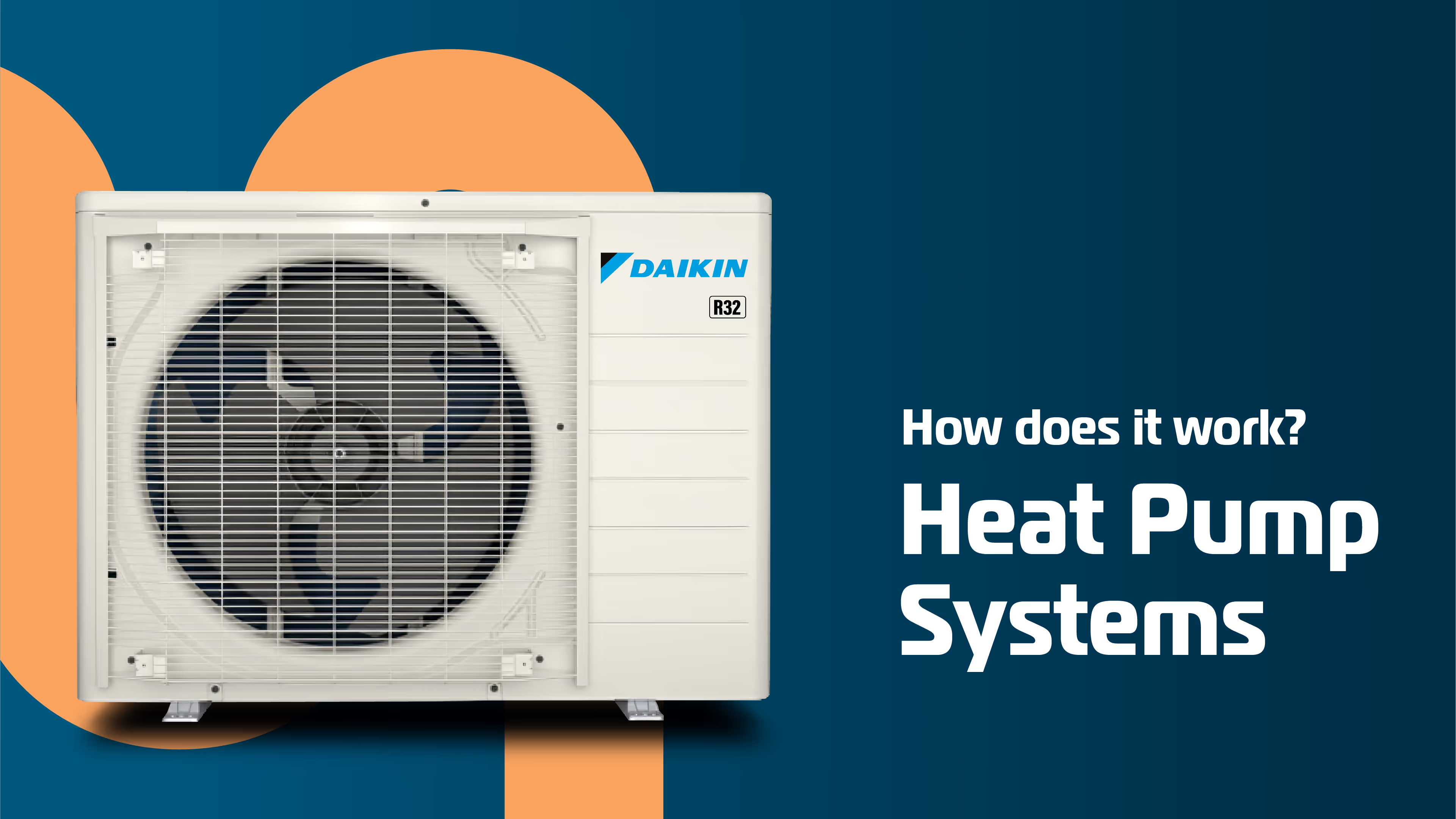
Key components you will hear about are the outdoor unit with a fan and coil, the indoor air handler or coil, a compressor that moves refrigerant, a reversing valve that switches seasons, an expansion device that manages pressure, refrigerant lines between the units, and the thermostat that tells everything when to run.
How A Heat Pump Works
At the heart of every heat pump is a refrigeration cycle. Think of refrigerant like a courier that absorbs heat in one place and drops it off in another. Outside, refrigerant soaks up available heat as it turns from liquid to vapor. The compressor raises the temperature of that vapor, the indoor coil releases the heat into your home, and the refrigerant condenses back to a liquid to start again. In summer the process runs in reverse so that indoor heat is carried outside.
The Reversing Valve
This small but mighty valve changes the direction of refrigerant flow so the same equipment can heat in winter and cool in summer. Your thermostat simply tells the system which direction to go.
Winter Operation And Backup Heat
On cold mornings you may notice the outdoor unit pausing briefly. That is the defrost cycle clearing any frost from the coil so airflow stays strong. Many homes also have auxiliary heat for rare moments when demand spikes. With a proper design, auxiliary heat steps in only when needed and your comfort stays steady.
Efficiency Metrics To Know
Today’s heat pumps are rated with SEER2 for cooling efficiency and HSPF2 for heating efficiency. You may also see COP, which compares heat output to the electrical power used. Equipment comes in single‑stage, multi‑stage, and inverter or variable‑speed designs. Variable‑speed systems fine‑tune output to the home’s needs, which often means quieter operation, fewer temperature swings, and lower energy use.
Airflow And Ductwork Matter
Even the best heat pump will struggle if airflow is off. Proper duct sizing, sealed joints, and clean filters are essential. If you are adding a new system or replacing old equipment, our team can evaluate ducts, registers, and returns during heating installation or AC installation so the equipment you invest in performs the way it should.
Benefits Of A Heat Pump
A well‑matched heat pump can reduce energy use compared with electric resistance heaters or older, oversized systems. Many homeowners see steadier bills and improved comfort from longer, gentler run times.
Comfort improves year‑round. Heat pumps control humidity more precisely in summer and deliver a consistent, even heat in winter. Because there is no on‑site combustion, there are no flue gases inside the home, which adds a layer of safety and peace of mind.
If you are focused on sustainability, moving heat instead of generating it can reduce emissions. A heat pump also pairs nicely with green power options. To explore budget‑friendly ways to upgrade, take a look at our financing page and current offers.
Is A Heat Pump Right For Your Home?
Modern cold‑climate heat pumps are designed to perform even below freezing. The key is choosing the right size and configuration for your space. We recommend a Manual J load calculation, which considers insulation, windows, orientation, and more. That helps us design a system that fits your home’s needs instead of guessing by square footage alone.
If your home already has ducts in good shape, a ducted air‑source heat pump may be the simplest path. For additions, bonus rooms, or homes without ducts, a ductless solution can target specific areas. During a consultation we will also check electrical readiness. Some projects need a dedicated circuit or a panel upgrade – our licensed team can help coordinate solutions and, if required, discuss electrical panel updates.
Ownership is straightforward. Plan on regular filter changes and a professional tune‑up once a year. Our heating maintenance and AC maintenance services keep your system efficient, and our M Membership takes the guesswork out of scheduling with reminders, priority service, and member‑only perks.
If you are comparing system bundles, see our curated HVAC packages for transparent options that pair equipment with the accessories and protections many homeowners want.
Frequently Asked Questions
Will A Heat Pump Work In Freezing Temperatures?
Yes. Cold‑climate models are engineered to deliver heat well below 32°F. Capacity does decline as outdoor temperatures drop, which is why proper sizing and design are important. Our team balances efficiency and comfort so auxiliary heat is rarely needed.
Do I Need Auxiliary Or Dual‑Fuel Backup Heat?
It depends on your home and climate. Many all‑electric homes use built‑in electric auxiliary heat for short, cold snaps. Some homes benefit from a dual‑fuel configuration for extra flexibility. We will walk through pros and cons during your estimate so you know exactly what to expect.
How Long Do Heat Pumps Last And What Maintenance Is Required?
With routine care, most systems last 12 to 15 years, sometimes longer. Keep filters clean, keep outdoor coils free of debris, and schedule an annual tune‑up. Our M Membership can make that simple.
What Does Installation Typically Cost And What Incentives Are Available?
Costs vary by size, efficiency level, ductwork needs, and electrical readiness. Many homeowners can also access rebates or tax credits to reduce upfront cost. To explore numbers tailored to your home, request a no‑pressure quote and see options on our financing page.
Are Heat Pumps Noisy And Do They Work With Smart Controls Or Air Quality Add‑Ons?
Most modern outdoor units are designed for quiet operation and indoor air handlers typically run more gently than older systems. Heat pumps are compatible with many control solutions and indoor air quality accessories. If you are curious about filtration, ventilation, or purification, our air quality team can help you choose additions that match your goals.
Ready To Talk Heat Pumps?
Whether you are replacing aging equipment or planning a remodel, we are here to help with right‑sized options and clear pricing. Start with our quick guide to heat pumps, explore HVAC packages, or reach out to contact us.